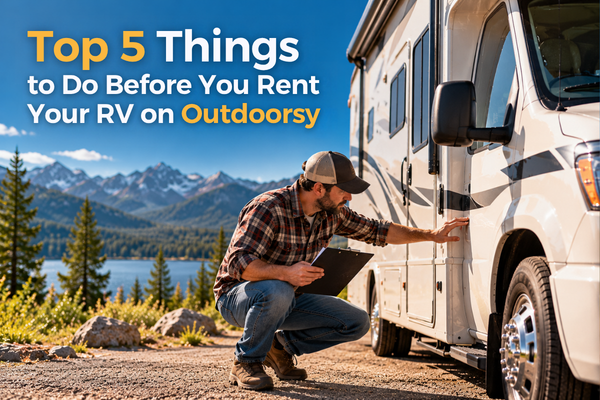
Renting out your RV on Outdoorsy can be a great way to turn an RV that spends much of the year sitting in the driveway into an income-producing asset. But before you hand the keys over to your first renter, there are a few important things you should take care of.
Your RV is going to experience more use, more passengers, more driving, and more potential wear and tear than it normally would. Taking some time to prepare it properly can help protect your investment, create a better experience for renters, and potentially lead to better reviews.
Here are five important things every RV owner should do before listing their RV on Outdoorsy.
1. Review Your Insurance and Rental Coverage

One of the first things you should investigate before renting your RV is insurance.
Your regular personal RV insurance policy may not provide the same coverage when your vehicle is being rented to someone else. Before accepting a reservation, make sure you understand what coverage applies while your RV is being used by a renter.
If you’re renting through Outdoorsy, review the protection and insurance options available through the platform and understand what is and isn’t covered. Pay close attention to things such as:
- Collision and comprehensive coverage
- Liability coverage
- Damage caused by renters
- Deductibles
- Roadside assistance
- Theft
- Personal belongings
- Interior damage
- Damage caused by pets
- Restrictions or exclusions
It’s also worth contacting your insurance provider directly and explaining that you’re planning to rent your RV. Ask whether your existing policy allows peer-to-peer rentals and whether there are any requirements you need to meet.
Don’t assume that because your RV is insured for personal use, you’re automatically covered when renting it out.
Tip: Keep copies of your insurance information and rental-related documentation in an easily accessible location so you can quickly reference them if something happens.
2. Document Your RV's Condition Before and After Every Rental

One of the simplest ways to protect your RV investment is to keep a detailed record of its condition before and after every rental.
Even responsible renters can accidentally scratch a panel, damage a bumper, stain a seat, or chip a windshield. Without clear documentation, it can be difficult to determine whether the damage occurred during the rental or was already present.
Before handing over the keys, take photos and videos of the entire RV, both inside and out.
Make sure to document:
The front and rear bumpers, mirrors, and exterior panels
The windshield, windows, and headlights
Wheels, tires, and any visible exterior damage
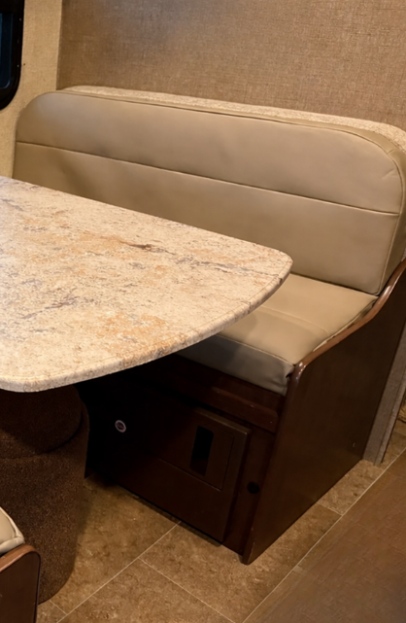
Captain’s chairs, sofas, dinettes, and other upholstered surfaces
Countertops, flooring, cabinets, and appliances
Any existing scratches, stains, cracks, or other imperfections
Take close-up photos of existing damage and make notes describing its location and severity. It’s also helpful to keep the original photos organized by rental date.
When the RV returns, repeat the inspection and compare the new photos with your original records. Pay particular attention to high-use areas, including the seats, entryway, kitchen, bathroom, bumper, and windshield.
Tip: Use a consistent checklist for every pickup and return. Keep records of maintenance, repairs, cleaning, and any issues reported by renters. If you discover damage, document it promptly and follow the platform’s applicable reporting procedures.
A consistent before-and-after process gives you a clearer picture of your RV’s condition and can make resolving damage disputes much easier.
3. Protect Your RV Seats With Quality Seat Covers

Your RV’s interior is going to experience significantly more use once you start renting it.
One of the areas that can take a beating is the seating.
RVs often have captain’s chairs, sofas, dinettes, and other upholstered surfaces that are exposed to food, drinks, dirt, pets, sunscreen, sweat, and general everyday use. A renter may treat the RV differently than you would treat your own.
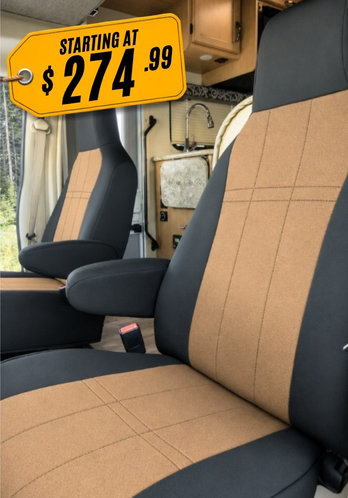
Adding seat covers before you begin renting can provide an additional layer of protection for your original upholstery.
This can be particularly valuable if your RV has expensive leather or vinyl seats. Some RV upholstery can be susceptible to cracking, peeling, staining, and general wear over time.
Custom-fit RV seat covers can also make it easier to keep the interior looking clean between rentals. Materials such as Neosupreme, Cordura, imitation leather, and other durable fabrics can provide different levels of protection depending on how your RV is being used.
For RVs that allow pets, durable seat covers can be especially useful. Pet hair, muddy paws, claws, and spills can quickly make their way onto the original upholstery.
Think of seat covers as preventative maintenance. It’s generally easier to clean or replace a seat cover than to repair or replace the original upholstery.
4. Prepare a Renter Welcome Kit and Operating Guide

Not every Outdoorsy renter will have extensive RV experience. Even someone who has driven a motorhome before may not know how your particular RV’s systems work.
Preparing a welcome kit and a simple operating guide can make the rental process smoother and help prevent avoidable mistakes.
Your guide should explain the basics of operating the RV, including:
How to start and shut down the generator
How to operate the heating and air conditioning
How to connect to campground electrical hookups
How to use the fresh-water system and empty holding tanks
How to operate the refrigerator, stove, and other appliances
How to extend and retract the awning safely
Which fuel the RV requires and any towing restrictions
What to do if a warning light appears or something stops working
You can also include essential contact information, emergency procedures, campground hookup instructions, and a list of items supplied with the rental.
Consider putting together a small welcome kit with basic cleaning supplies, toilet paper suitable for RV systems, paper towels, and other essentials appropriate for your rental arrangement.
Before the renter leaves, walk them through the most important features in person. Demonstrate any equipment that could be damaged through incorrect operation, particularly the awning, slide-outs, generator, and waste systems.
A clear guide helps renters feel more confident, reduces repetitive questions, and may help prevent damage caused by unfamiliarity with the vehicle.
5. Give the RV a Complete Mechanical and Interior Check

Finally, give your RV a thorough inspection before putting it into the rental rotation.
You want to make sure the RV isn’t simply clean—it needs to be ready for someone who may have little or no experience operating your specific vehicle.
Start with the basics:
Mechanical
Check:
- Engine oil and fluids
- Tire pressure
- Tire condition and tread
- Brakes
- Battery
- Lights
- Turn signals
- Brake lights
- Windshield wipers
- Generator
- Engine belts and hoses
- Emergency equipment
If your RV has been sitting for an extended period, consider having a qualified mechanic inspect it before your first rental.
Plumbing and Appliances
Test everything your renter is likely to use:
- Refrigerator
- Stove
- Microwave
- Air conditioning
- Heating
- Water heater
- Toilet
- Shower
- Fresh-water system
- Holding tanks
- Generator
- Electrical outlets
There’s nothing worse than a renter discovering that the air conditioner or refrigerator doesn’t work after they’ve already driven hundreds of miles from home.
Interior
Walk through the RV as if you’ve never seen it before.
Check cabinets, drawers, doors, locks, furniture, flooring, curtains, blinds, entertainment systems, and anything else the renter may interact with.
This is also a good opportunity to remove personal belongings. The less personal stuff you leave inside, the easier it will be to clean, inspect, and reset the RV between rentals.
Bonus: Create a Renter Checklist
One of the best things you can do before your first Outdoorsy rental is create a simple checklist for your renters.
Include basic information such as:
- How to operate the generator
- How to use the awning
- How to connect to electricity
- How to use the water system
- What fuel the RV requires
- Where the emergency equipment is located
- What to do if something breaks
- Who to contact in an emergency
- Rules regarding pets
- Rules regarding smoking
- Towing restrictions
- Cleaning requirements
Don’t assume renters know how to operate an RV just because they have driven a car or truck before.
A five-minute explanation at pickup can prevent a lot of confusion later.
Preparing Your RV Before the First Rental

Renting your RV on Outdoorsy can be an excellent way to offset ownership costs and potentially generate additional income. But the key is to think of your RV as a rental property on wheels.
The better prepared it is, the easier it will be to manage.
Start by reviewing your insurance and rental coverage. Inspect the bumper, hitch, tires, and exterior. Protect high-wear areas such as your seats with durable covers. Check the windshield for existing damage, and give the entire RV a mechanical and interior inspection before your first renter takes it out.
Most importantly, document the condition of your RV before and after every rental.
A little preparation can go a long way toward protecting your RV, reducing unexpected repair costs, and giving renters the clean, comfortable and reliable experience they’re expecting.